


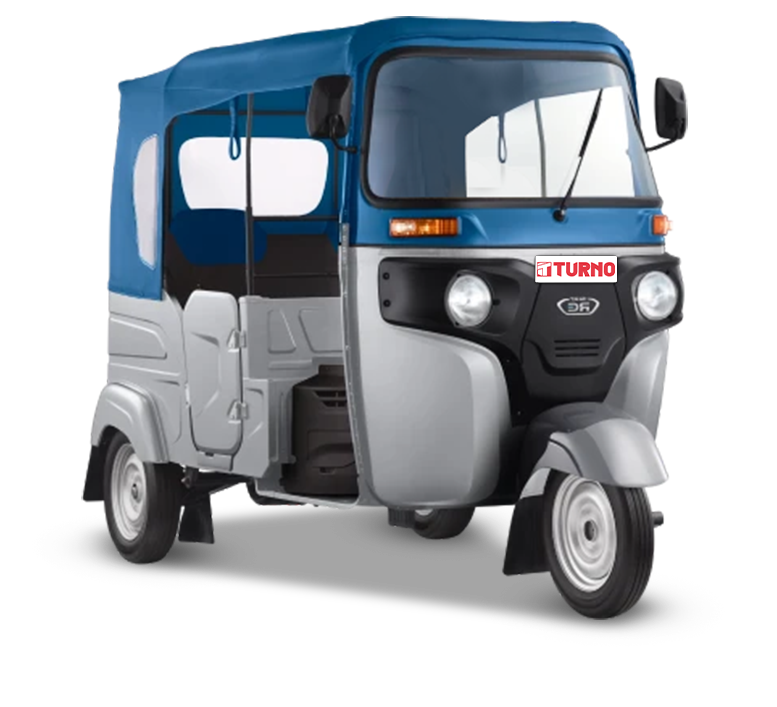




Turno provides you lowest interest rate in the market
*T&C applied
₹49,999
Down Payment
10.5%
Interest rate
36/48
Months EMI


Electric Commercial Vehicle prices in India start from ₹3.20 Lakh and go up to ₹16.36 Lakh (Ex-Showroom, Delhi), covering a wide range of cargo, passenger, and logistics needs. From battery autos and electric autos to electric goods vehicles, the segment is rapidly growing as India embraces the shift toward sustainable, zero-emission mobility.
Built with advanced battery technology, EV commercial vehicles combine superior performance, lower operating costs, and zero tailpipe emissions, making them the perfect choice for modern logistics, goods transportation, and last-mile delivery.
Leading automakers such as Mahindra, Euler Motors, Piaggio, OSM, and Greaves are driving innovation in the electric commercial vehicle segment, offering both cargo EVs and passenger electric autos (Totos) that cater to a wide range of industries.
The most economical electric commercial car in the Indian market costs about ₹3.20 Lakh, while the most premium option goes up to ₹16.36 Lakh, giving businesses flexibility to choose according to their load and performance needs.
| Electric Commercial Vehicles in India | Price Range |
|---|---|
| Greaves Eltra | ₹ 3.87Lakh - ₹ 4.33 Lakh |
| Euler HiLoad PV | ₹ 3.94.Lakh - ₹ 4.20Lakh |
| Mahindra Zor Grand | ₹ 4.07 Lakh - ₹ 4.27 Lakh |
| Mahindra Treo Zor | ₹ 3.51Lakh - ₹ 3.90 Lakh |
| Euler HiLoad DV 170 Cu. Ft | ₹ 3.94.Lakh - ₹ 4.20Lakh |
| Piaggio Ape E-Xtra FX Max | ₹ 3.49 Lakh - ₹ 3.69 Lakh |
| Euler HiLoad DV | ₹ 3.94.Lakh - ₹ 4.20 Lakh |
| Piaggio Ape E-Xtra FX | ₹ 3.49 Lakh - ₹ 3.69 Lakh |
| OSM Rage+ Frost | ₹ 8.11 Lakh - ₹ 8.31 Lakh |
| OSM Rage+ 8.5 kWh | ₹ 3.40 Lakh - ₹ 3.70 Lakh |
| Montra Super Auto | ₹ 3.77 Lakh - ₹ 3.80 Lakh |
| Piaggio E-City FX | ₹ 3.99 Lakh - ₹ 4.10 Lakh |
| Mahindra Treo Plus Auto | ₹ 3.69 Lakh - ₹ 3.78 Lakh |
| OSM Rage+ 10.8 kWh | ₹ 3.40 Lakh - ₹ 3.70 Lakh |
| Bajaj RE E-Tec 9.0 | ₹ 3.27 Lakh - ₹ 3.47 Lakh |
Read More


EMI Starting From
₹14,565/- p.m.
Top Range
90 kms
Load Capacity
550 Kg
Top Speed
50 km/h
We offer a wide range of electric cargo vehicles from leading manufacturers, including Mahindra, Piaggio, E-trio, Euler, Greaves, Altigreen and OSM.


EMI Starting From
₹12,386/- p.m.
Top Range
120 kms
Load Capacity
688 Kg
Top Speed
45 km/h

EMI Starting From
₹12,386/- p.m.
Top Range
120 kms
Load Capacity
688 Kg
Top Speed
45 km/h
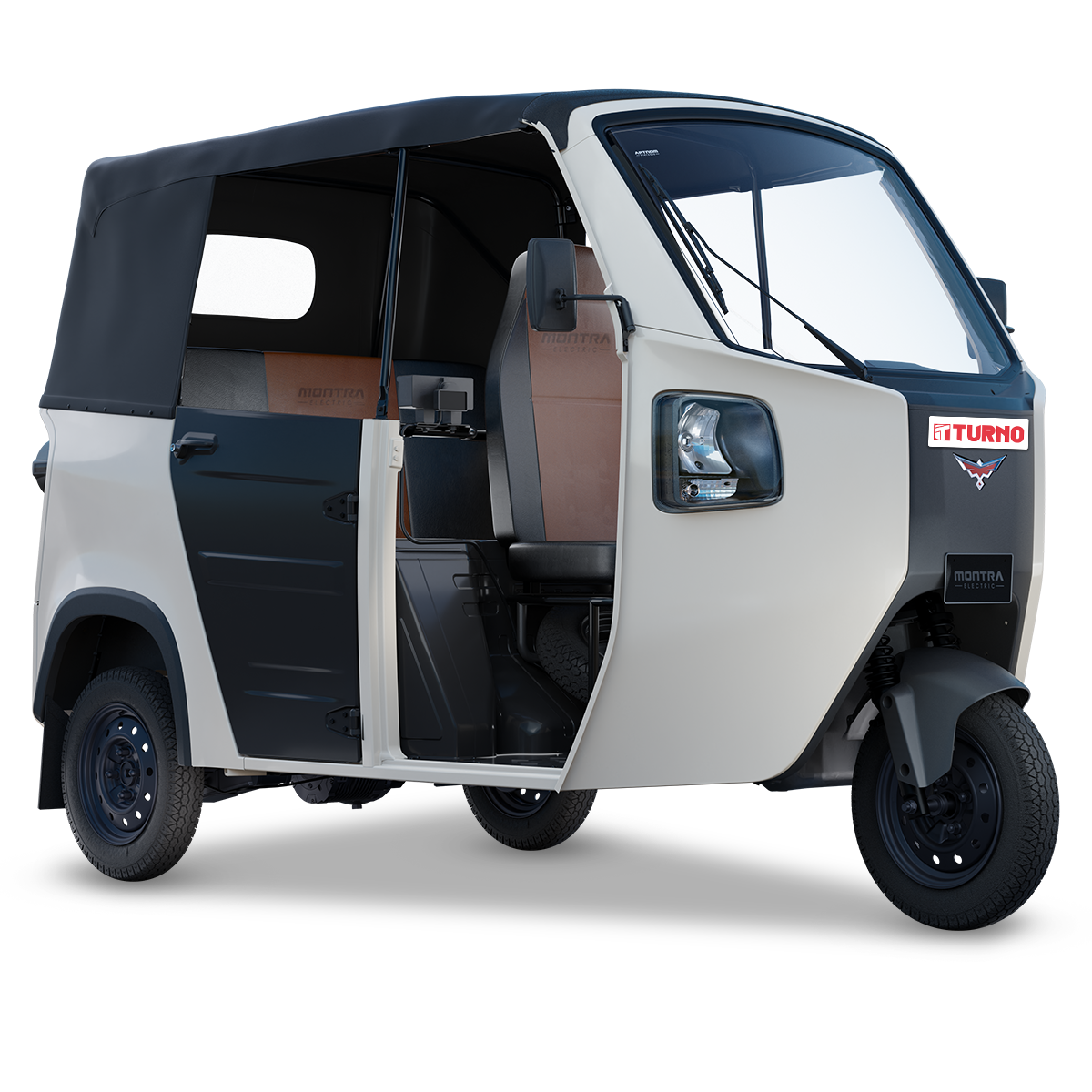


EMI Starting From
₹14,515/- p.m.
Top Range
160 km
Cost/100km
₹ 40
Top Speed
55 km/h


EMI Starting From
₹14,302/- p.m.
Top Range
120 km
Load Capacity
550 Kg
Top Speed
50 km/h


EMI Starting From
₹30,209/- p.m.
Top Range
120 km
Load Capacity
500 Kg
Top Speed
50 km/h
The commercial transport sector is undergoing a massive transition. EV commercial vehicles are now redefining how goods, services, and passengers are moved across cities. With battery autos and electric autos becoming increasingly common in both rural and urban logistics, small business owners and fleet operators are experiencing measurable benefits in cost, efficiency, and reliability.
Government initiatives like FAME II, subsidies, and the expansion of fast-charging infrastructure are making commercial EV vehicles more affordable and accessible. Moreover, the growing popularity of totos (electric autos) in India highlights a strong consumer shift toward cleaner, cost-efficient mobility.
Electric vehicles have already proven their mettle in the personal segment, but the advantages become even more compelling when applied to the commercial transport sector.
Here's why electric commercial vehicles make perfect sense for modern businesses:
Fuel expenses often form a significant portion of fleet operating budgets. By switching to EV commercial vehicles, businesses can save up to 60–70% on fuel costs. Electricity is much cheaper than diesel or petrol, and with the option to charge during off-peak hours, companies can further optimize expenses.
Moreover, ECVs have fewer moving parts than internal combustion engine (ICE) vehicles, reducing maintenance costs significantly. No oil changes, fewer brake replacements, and minimal engine servicing mean lower downtime and higher productivity.
Sustainability is no longer optional, it's a competitive advantage. Adopting electric commercial vehicles demonstrates a company's commitment to reducing environmental impact. Each electric goods vehicle on the road contributes to lower greenhouse gas emissions and improved urban air quality.
With growing consumer preference for environmentally responsible brands, going electric also strengthens brand image and customer trust.
Central and state governments in India offer multiple incentives for purchasing commercial EV vehicles, including reduced road taxes, registration fees, and subsidies under the FAME II scheme. Additionally, corporate buyers can benefit from accelerated depreciation and other tax incentives, further improving ROI.
Modern electric commercial cars and trucks are equipped with telematics systems that help monitor battery health, optimize routes, and track performance in real-time. This not only enhances efficiency but also improves driver safety and overall fleet management.
Unlike diesel trucks that generate noise pollution, EV commercial vehicles such as electric autos (totos) and battery autos etc, operate almost silently. This makes them ideal for urban logistics, night-time deliveries, and residential area operations where noise restrictions are in place.
The adoption of electric commercial vehicles addresses multiple pain points that have long plagued the logistics and transport industries.
Diesel and petrol prices fluctuate frequently, making budgeting difficult for fleet operators. With electric vehicles, businesses gain stability through predictable electricity costs.
Air pollution remains a major concern in Indian cities. Transitioning to EV commercial vehicles can drastically cut harmful emissions, improving air quality and public health.
Traditional commercial vehicles require regular servicing and part replacements. Electric commercial cars, battery autos and electric autos have simpler drivetrains and fewer wear parts, and hence need minimal upkeep, reducing downtime and increasing fleet availability.
As emission regulations tighten, businesses using fossil fuel-based fleets will face penalties and restrictions. Investing early in electric goods vehicles ensures compliance and future-proofing.
Switching to commercial EV vehicles helps reduce dependency on imported oil, promoting energy security and supporting national sustainability goals.
The logistics and transport sector contributes heavily to urban pollution. By integrating electric commercial vehicles and battery autos, logistics companies can achieve their sustainability and ESG targets effectively.
Moreover, as charging infrastructure expands, with fast chargers, depot-based charging, and renewable-powered charging stations, range anxiety is no longer a major concern. The ability to charge electric goods vehicles overnight or during idle hours allows continuous operation and seamless fleet rotation.
Read More

For Any Assistance
Blubble Private Limited,
Industrial Plot Bearing No 7-A1
3rd Cross Rd, Devasandra Industrial Estate,
Krishnarajapura, Near VR mall, Bengaluru, Karnataka
560048
sales@turno.club


